A Deep Dive into Girth Weld Joint Design and Its Implications
Understanding Girth Weld Joint Design
Importance of Girth Welds in Pipeline Construction
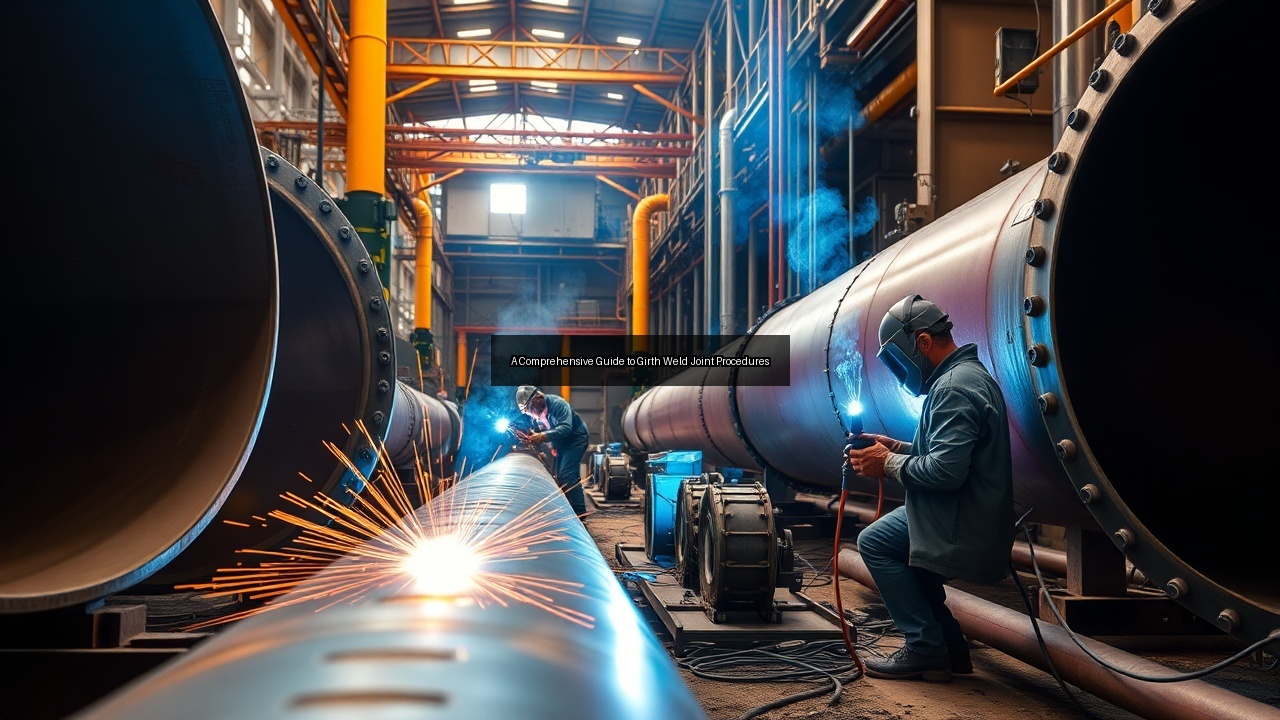
Pipeline girth welding forms the backbone of reliable pipeline construction across energy sectors. Engineers rely on these circumferential joints to connect pipe sections end to end, creating continuous flow paths that transport oil, gas, and other fluids over vast distances. Proper girth weld joint design directly influences overall pipeline integrity by distributing stresses evenly and preventing leaks under operational pressures. Companies invest heavily in precise welding procedures because failures at these joints lead to costly shutdowns and environmental damage. The scope of each project demands careful planning from the root pass through final capping to ensure every weld meets stringent codes. Skilled welders execute these connections daily, turning raw pipe into functional networks that power industries worldwide.
Factors Influencing Girth Weld Design
Multiple variables shape effective girth weld joint design before any arc strikes. Pipe diameter, wall thickness, and material grade dictate the welding parameters chosen for each segment. Soil conditions, burial depth, and expected external loads further refine the approach, as do internal pressures and flow rates. Engineers evaluate weldability characteristics to select compatible consumables that minimize defects like lack of fusion or porosity at the root. Environmental regulations also play a role, pushing designers toward techniques that reduce heat input and distortion. Thorough analysis of these factors upfront prevents rework during construction and extends service life once pipelines enter operation.
Materials Used in Girth Welding: Stainless Steel vs. Plastic
Pipeline projects often pit stainless steel against plastic options when selecting base materials for girth welding. Stainless steel delivers superior strength and handles high-pressure applications with ease, while its corrosion resistance suits aggressive environments. Welders achieve consistent results on stainless steel through controlled procedures that preserve mechanical properties. Plastic pipes, by contrast, offer lighter weight and simpler installation for low-pressure water or gas lines, though they require specialized fusion techniques rather than traditional arc methods. Each material presents distinct weldability challenges that influence joint preparation and inspection protocols. Project teams weigh these trade-offs against long-term durability needs before finalizing selections.
Welding Methods and Techniques
Overview of Pipeline Girth Welding Techniques
Pipeline girth welding encompasses several proven techniques tailored to different pipe sizes and service conditions. Manual shielded metal arc welding remains common for field repairs and smaller diameters because it requires minimal equipment. Semi-automatic processes gain favor on large-diameter pipelines where speed and consistency matter most. Every method centers on creating sound girth welds that maintain structural continuity. Operators adjust parameters such as travel speed, current, and shielding gas to optimize penetration and bead profile. The choice of technique ultimately balances productivity with the need for high-integrity joints capable of withstanding decades of service.
Friction Stir Welding: A Modern Approach
Friction stir welding introduces a solid-state solution to pipeline girth welding challenges. The process generates heat through mechanical friction rather than melting the base metal, which reduces distortion and preserves original material properties. Welders position a rotating tool along the joint line to forge a high-strength bond without filler metal. This method excels on aluminum and certain steel alloys where traditional fusion welding risks cracking. Field trials demonstrate excellent fatigue performance in girth welds produced by friction stir welding. Adoption grows as contractors recognize its potential for faster cycle times and lower defect rates compared with conventional approaches.
Traditional Welding Methods: Advantages and Disadvantages
Traditional pipeline welding methods such as gas metal arc and submerged arc processes bring both benefits and limitations to girth weld joint design. These techniques deliver deep penetration and high deposition rates that accelerate construction schedules on major projects. Welders appreciate the familiar equipment and established procedures that simplify training and qualification. Drawbacks include greater heat input that can alter microstructures and increase susceptibility to hydrogen cracking. Distortion also becomes more pronounced on thinner walls, requiring additional straightening steps. Despite these issues, traditional methods retain widespread use because they handle varied material thicknesses and positions reliably when executed with proper controls.
Inspection and Quality Assurance in Girth Welds
Weld Inspection Methods: Ultrasonic Testing and More
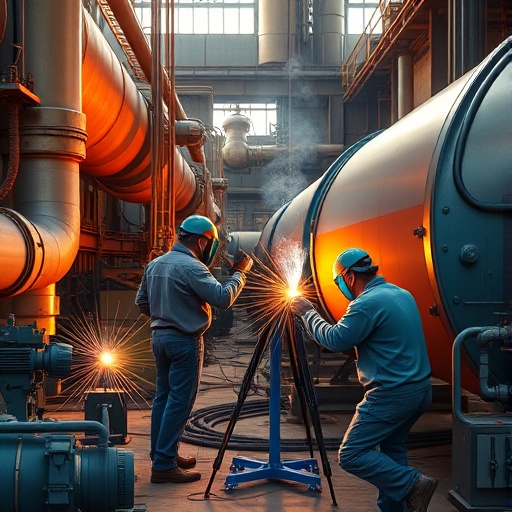
Weld inspection forms a critical checkpoint in pipeline girth welding to verify joint quality before burial. Ultrasonic testing stands out for its ability to detect internal flaws such as lack of sidewall fusion or porosity without damaging the weld. Technicians scan the completed girth weld from multiple angles to map defect locations and sizes accurately. Complementary methods like radiographic testing provide additional confirmation when code requirements demand it. Effective weld inspection protocols catch issues early, allowing timely repairs that maintain project momentum. Consistent application of these techniques protects both personnel and long-term asset integrity.
Non-Destructive Testing (NDT) Techniques
Non-destructive testing techniques enable thorough evaluation of girth welds while leaving the pipeline intact. Ultrasonic inspection, magnetic particle testing, and phased array methods each target specific defect types common in pipeline construction. Automated ultrasonic testing systems now travel along the pipe exterior, generating real-time data that speeds decision-making in the field. These NDT approaches confirm that welds meet acceptance criteria for strength and leak tightness. Regular calibration and qualified technicians ensure reliable results across varying environmental conditions. The data collected also supports traceability requirements demanded by regulatory bodies.
The Role of Welders in Ensuring Quality
Welders shoulder primary responsibility for producing sound girth welds that pass subsequent inspection. Their skill in maintaining proper torch angle, travel speed, and interpass temperature directly affects joint strength and defect formation. Experienced welders recognize subtle signs of trouble during welding and adjust on the fly to correct them. They also perform visual checks on each pass, including the critical root bead, to catch visible imperfections before they compound. Training programs emphasize both technical proficiency and awareness of how individual actions influence overall pipeline safety. Dedicated welders remain the first line of defense against substandard workmanship.
Strength and Durability Considerations
Assessing the Strength of Girth Welds
Assessing girth weld strength requires both destructive and non-destructive methods to confirm performance under load. Tensile tests on sample welds reveal ultimate strength values, while bend tests evaluate ductility. Finite element modeling supplements physical testing by predicting stress distribution around the joint under various operating scenarios. Engineers compare results against design specifications to verify that the completed pipeline can handle pressure cycles and external forces. Accurate strength assessment guides acceptance or rejection decisions during construction and informs remaining life estimates once the line operates.
Corrosion Resistance in Pipeline Girth Joints
Corrosion resistance at girth welds often determines long-term pipeline reliability. Stainless steel base metals and appropriate filler metals help maintain passive surface layers that resist attack in aggressive soils or transported fluids. Welders apply specific techniques to avoid sensitization that could create preferential corrosion paths along the fusion line. External coatings and cathodic protection systems further safeguard exposed weld areas. Regular monitoring for coating damage and corrosion under insulation prevents localized attack from progressing undetected. Attention to these details during design and construction extends service intervals between major maintenance campaigns.
Temperature Effects on Weld Integrity
Temperature variations impose significant demands on girth weld integrity throughout a pipeline’s lifecycle. High operating temperatures accelerate creep and reduce yield strength in certain alloys, while low temperatures increase brittleness risk. Engineers incorporate toughness requirements into weld procedure qualifications to ensure adequate performance across the expected range. Preheat and interpass temperature controls during welding minimize residual stresses that could initiate cracking later. Post-weld heat treatment relieves these stresses in critical applications. Ongoing monitoring of temperature excursions helps operators adjust flow parameters to protect vulnerable joints.
Literature Review and Future Directions
Current Research on Girth Weld Procedures
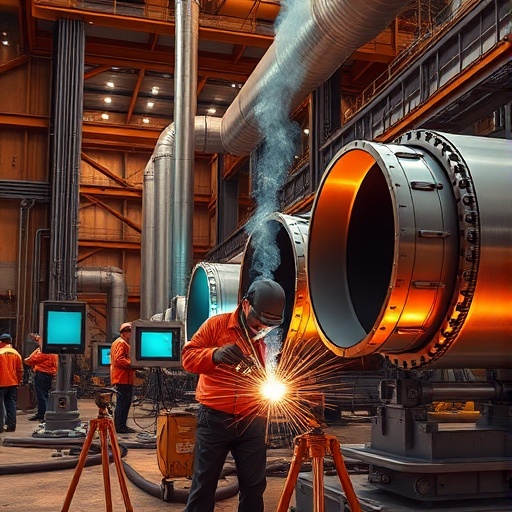
Current literature on girth weld procedures highlights advances in process control and consumable development. Studies examine how alloying additions affect weldability and mechanical properties under high-strain conditions typical of seismic zones. Researchers also investigate hybrid techniques that combine arc welding with friction stir welding to leverage the strengths of each. Published data emphasize the importance of root pass quality in preventing through-wall defects. These findings feed directly into updated codes and recommended practices that guide field execution. The body of work continues to expand as operators share lessons from completed projects.
Emerging Trends in Girth Weld Technology
Emerging trends in girth weld technology focus on automation and real-time monitoring. Robotic systems now perform consistent passes on large-diameter pipelines, reducing human variability. Sensors embedded in welding heads capture data on voltage, current, and travel speed to enable immediate parameter corrections. Machine learning models analyze this information to predict defect formation before it occurs. Friction stir welding equipment continues to evolve for field deployment on steel pipelines. These developments promise higher productivity and fewer repairs while maintaining or improving joint performance.
Implications of Advances in Weldability and Strength
Advances in weldability and strength carry broad implications for future pipeline construction. Improved filler metals allow higher strength steels to be joined without sacrificing toughness, enabling thinner walls and reduced material costs. Better understanding of hydrogen management lowers preheat requirements and shortens construction windows. Enhanced non-destructive testing resolution supports fitness-for-service assessments that extend asset life. As these technologies mature, platinum-group elements appear in experimental consumables aimed at extreme environments. Overall, the trajectory points toward safer, more efficient pipelines built with greater confidence in every girth weld.
See Also
- Essential Skills Every Welder Needs for Successful Girth Welds
- Ultrasonic Testing Techniques to Enhance Girth Weld Evaluation
- Pipeline Girth Welding Challenges and Solutions for Modern Construction
- The Role of Non-Destructive Testing in Ensuring Girth Weld Integrity
- Understanding Girth Weld Procedures for Sustainable Pipeline Construction