A Comprehensive Guide to Girth Weld Joint Procedures
Understanding Girth Weld Joints
Definition of Girth Welds
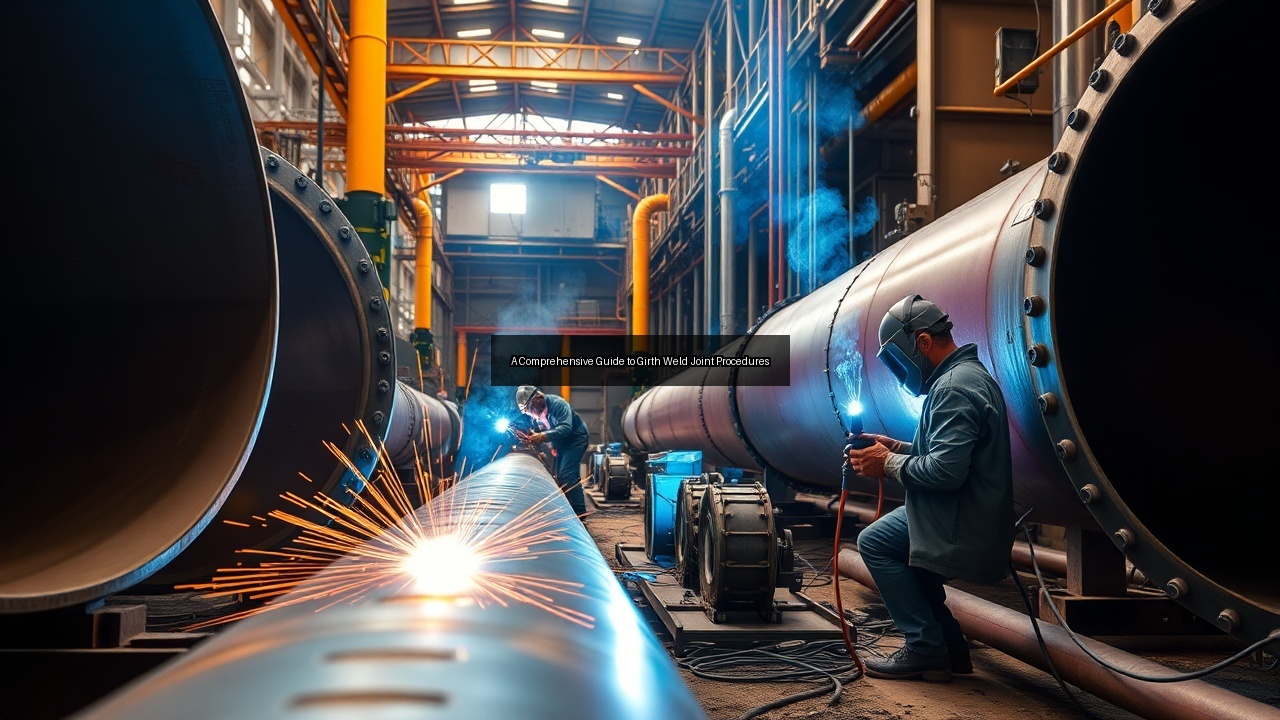
Girth welds refer to the circular welds that join two sections of pipe, typically used in pipeline construction. These welds encircle the pipe and are critical for ensuring a strong, leak-proof connection between segments. The quality and technique applied in girth welding directly influence the integrity of the entire pipeline system. Effective girth welds must endure various stresses and environmental conditions, making their execution a vital aspect of pipeline girth welding.
Importance in Pipeline Construction
The significance of girth welds in pipeline construction cannot be overstated. These joints serve as the backbone of the pipeline, enabling the transportation of liquids and gases across vast distances. A well-executed girth weld contributes to the overall strength of the pipeline, minimizing the risk of leaks and failures. In industries such as oil, gas, and water transmission, the reliability of girth welds ensures sustainability and efficiency in operations. If defects occur in these joints, they can lead to catastrophic failures, costly repairs, and environmental hazards.
Materials Used in Girth Welding
Various materials are employed in girth welding, each chosen based on the specific requirements of the pipeline and its intended use. Common materials include carbon steel, stainless steel, and plastic. Carbon steel provides excellent strength and is often used in oil and gas pipelines. Stainless steel, known for its corrosion resistance, is ideal for environments where moisture and corrosive substances are present. Plastic welding techniques are increasingly utilized for specific applications, especially in water pipelines. Understanding the weldability of each material ensures that the right techniques are applied for optimal results.
Girth Weld Joint Procedures
Preparation and Setup
Preparation and setup play a crucial role in achieving quality girth welds. Proper alignment of the pipe sections is necessary to maintain uniformity and avoid defects in the weld. This process involves cleaning the surfaces to remove contaminants, rust, or oil that could compromise the weld integrity. Additionally, the use of fixtures or clamps can help secure the pipes in place during welding. Ensuring the correct fit-up reduces the risk of misalignment, which can lead to stress concentrations and potential failures. The welder should also verify that all equipment, such as welding machines and filler materials, are ready and functioning correctly before commencing the welding process.
Welding Techniques and Methods
Several welding techniques are suitable for girth welds, each offering unique advantages. The most commonly used methods include Shielded Metal Arc Welding (SMAW), Gas Tungsten Arc Welding (GTAW), and Submerged Arc Welding (SAW). SMAW, or stick welding, is versatile and effective for various positions but requires skill and experience to prevent defects. GTAW, or TIG welding, provides high-quality welds with excellent control, making it ideal for stainless steel applications. SAW, on the other hand, works well for thick materials and large diameter pipes, providing deep penetration and minimal slag. Choosing the right technique depends on the materials involved, the thickness of the pipes, and the environmental conditions present during construction.
Temperature and Environmental Considerations
Temperature significantly impacts the welding process and the quality of girth welds. Both ambient temperature and preheat conditions affect the weld metal's performance and the heat-affected zone (HAZ). Cold temperatures can lead to brittleness in the weld, while excessive heat can cause distortion or weakened joints. Therefore, maintaining optimal preheat temperatures is crucial, especially in colder climates. Welders must also consider environmental factors such as wind and humidity, as these can introduce contaminants or affect the cooling rate of the weld. Shielding gas protection becomes essential in windy conditions to ensure a clean and effective weld.
Weldability of Different Materials
Assessing the weldability of different materials is vital for successful girth welding. Factors such as material composition, thickness, and the presence of alloying elements influence the welding process. For instance, carbon steels generally have good weldability, while certain stainless steels may require specific techniques to avoid issues like cracking. Understanding the metallurgical properties of the materials allows welders to select appropriate filler metals and process parameters that optimize the weld quality. Additionally, conducting pre-weld tests, such as bead-on-plate tests, can provide insights into the weldability characteristics of the materials involved.
Inspection and Testing of Girth Welds
Weld Inspection Techniques
Weld inspection is essential for ensuring the integrity of girth welds. Techniques vary from visual inspections to more sophisticated methods like radiographic and ultrasonic testing. Visual inspections allow welders to identify surface defects, such as cracks or incomplete fusion, while radiographic methods use X-rays to reveal internal flaws. Each technique has its advantages, and combining multiple inspection methods provides a comprehensive assessment of weld quality. Regular inspections not only enhance safety but also contribute to the long-term durability of the pipeline, ensuring that it meets industry standards and regulatory requirements.
Non-Destructive Testing Methods
Non-destructive testing (NDT) methods are integral to girth weld inspection, allowing for thorough evaluations without compromising the weld integrity. Common NDT methods include ultrasonic testing, magnetic particle testing, and dye penetrant testing. Ultrasonic testing employs high-frequency sound waves to detect internal flaws, providing detailed information about the weld quality. Magnetic particle testing, on the other hand, identifies surface and near-surface defects in ferromagnetic materials. These NDT methods are crucial for ensuring that any potential issues are identified early, preventing future failures and maintaining pipeline safety.
Ultrasonic Testing and Inspection
Ultrasonic testing (UT) stands out as a preferred method for girth weld inspection due to its accuracy and ability to detect subtle defects. UT utilizes high-frequency sound waves that travel through the weld and reflect back when encountering a flaw. The data collected during the inspection allows for detailed analysis of the weld’s integrity, including the detection of cracks, voids, and lack of fusion. Implementing ultrasonic inspection as part of the quality control process ensures that welds meet the stringent requirements of industries such as oil and gas, where safety and reliability are paramount.
Friction Stir Welding Applications
Friction stir welding (FSW) is an innovative technique gaining traction in girth welding applications, particularly for aluminum and plastic pipes. This method involves using a rotating tool to generate frictional heat, allowing the materials to soften and join without melting. FSW offers high-strength welds with minimal distortion and excellent mechanical properties. Its application is particularly valuable in situations where conventional welding methods may struggle, such as in welding dissimilar materials or in environments sensitive to heat. As industries seek advanced solutions for pipeline construction, FSW presents a promising avenue for enhancing girth weld quality.
Ensuring Strength and Corrosion Resistance
Factors Affecting Weld Strength
Multiple factors influence the strength of girth welds, including material selection, welding parameters, and post-weld treatments. The choice of filler material plays a significant role, as it must be compatible with the base materials to ensure a strong bond. Proper heat input during welding is crucial; too much heat can lead to excessive grain growth and weakened structures, while too little can result in incomplete fusion. Post-weld treatments, such as stress-relief heat treatments or surface hardening, can further enhance weld strength, making them essential considerations in the welding procedure.
Corrosion Prevention Strategies
Corrosion poses a significant risk to the longevity of pipelines, making effective prevention strategies essential. Coating the welds with protective materials serves as the first line of defense against environmental factors that cause degradation. Common coatings include epoxy, polyurethane, and specialized corrosion-resistant paints. Additionally, cathodic girth weld joint protection techniques, such as galvanic anodes, can mitigate corrosion by redirecting corrosive currents away from the pipeline. Regular inspections and maintenance activities further ensure that any signs of corrosion are addressed promptly, prolonging the lifespan of girth welds and overall pipeline systems.
Literature Review on Girth Weld Durability
Research into girth weld durability continues to evolve, offering insights into best practices and innovations in the field. Studies highlight the importance of selecting the right materials and welding techniques to enhance long-term performance. Literature reviews often focus on the correlation between welding parameters and the resultant mechanical properties of welds. By analyzing historical data and recent advancements, industry professionals can adopt strategies that improve the resilience of girth welds against stress and environmental challenges. Staying informed through literature not only aids in improving current practices but also encourages the exploration of new technologies in girth welding.